

Our hobby is birdwatching, so during our visit to the islands of Heligoland and Düne, we combined photography with our birdwatching goals. We also enjoyed observing several species that we simply cannot see back home in the Czech Republic.
Heligoland, the main island of the two, is a truly unique place. It is Germany’s only offshore island with dramatic red sandstone cliffs, which provide ideal nesting sites for numerous seabird species. What makes Heligoland even more special is its location in the North Sea, well away from the German mainland. The island is also an important stopover for migratory birds, making it a fantastic destination for birdwatchers throughout the year.
Düne, the smaller neighbouring island, is equally fascinating, but for rather different reasons. Unlike Heligoland, with its steep cliffs and rocky coastline, Düne is characterised by sandy beaches, dunes and open coastal habitats. This variety of environments attracts a wide range of bird species, from seabirds and coastal waders to birds that prefer the island’s more sheltered areas.
Together, these two islands offer a wonderful diversity of birdlife and make an excellent destination for anyone who enjoys watching, photographing and discovering new species in their natural surroundings.
Lifers, or the first time spotting a species in your life
When it came to birdwatching, our trip was a great success. We headed to the North Sea with high expectations, both for photography and birdwatching, and we were lucky enough to add several lifers to our bird list — species we were seeing for the very first time in our lives.
In total, we managed to observe 16 bird species for the first time. Interestingly, some of these species can occasionally be spotted in the Czech Republic as well. Alongside our lifers, we also kept track of so-called photographic lifers — species we had seen before but were photographing for the first time. We recorded nine of these during our trip.
The species marked with an asterisk (*) are our photographic lifers.
- Greater White-fronted Goose*
- Common Eider*
- Eurasian Oystercatcher*
- Grey Plover*
- Eurasian Whimbrel
- Ruddy Turnstone*
- Sanderling
- Razorbill*
- Little Auk
- Black-legged Kittiwake
- Lesser Black-backed Gull*
- Great Black-backed Gull
- Arctic Tern
- Northern Gannet*
- Northern Wheatear
- Meadow Pipit
Photographs of Interesting Species
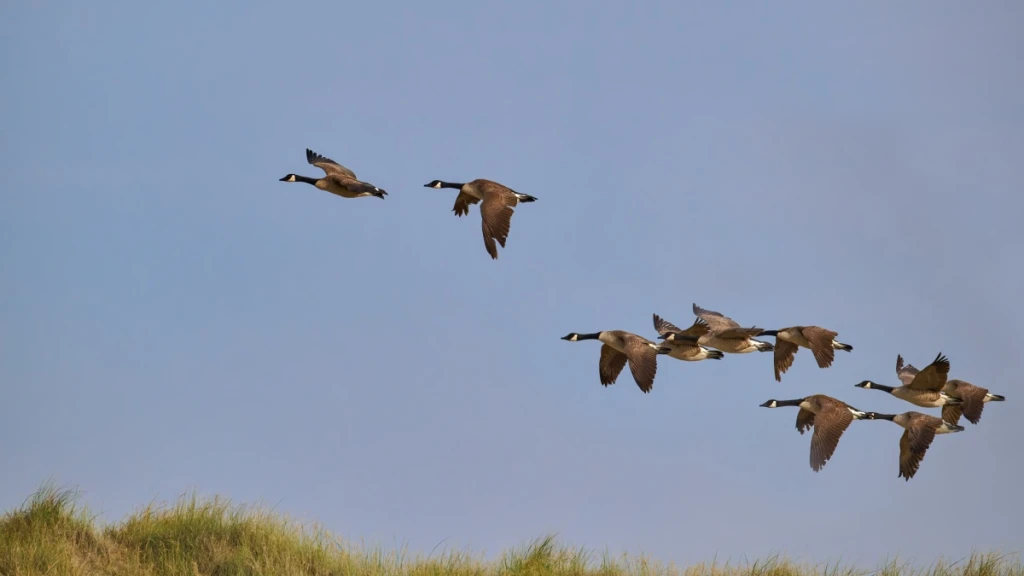
Greater White-fronted Goose (Branta canadensis)
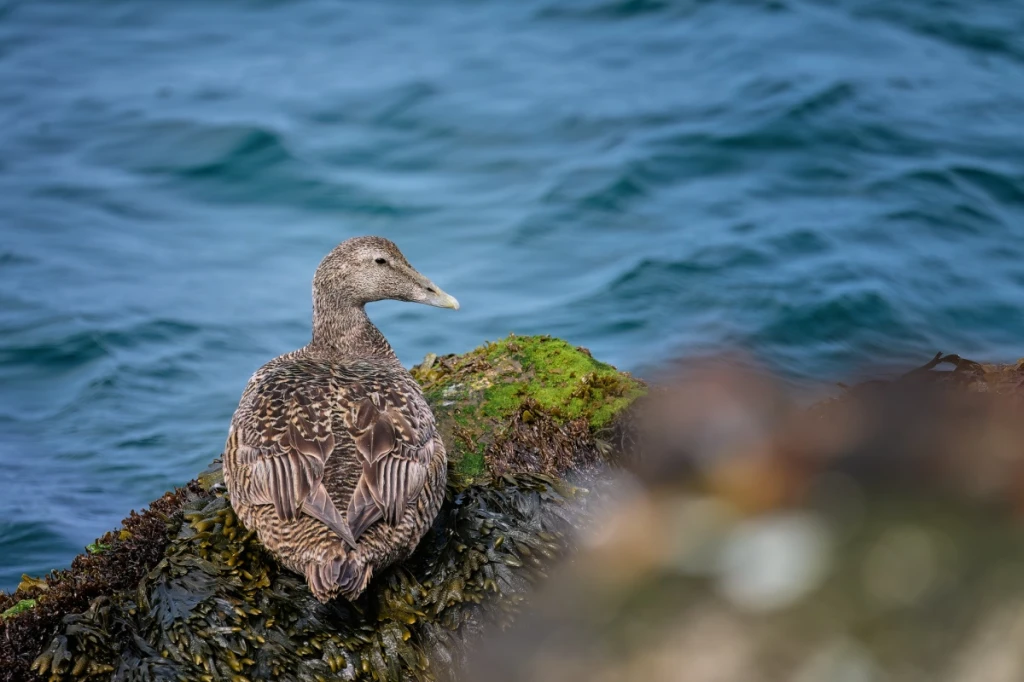
Common Eider (Somateria mollissima)
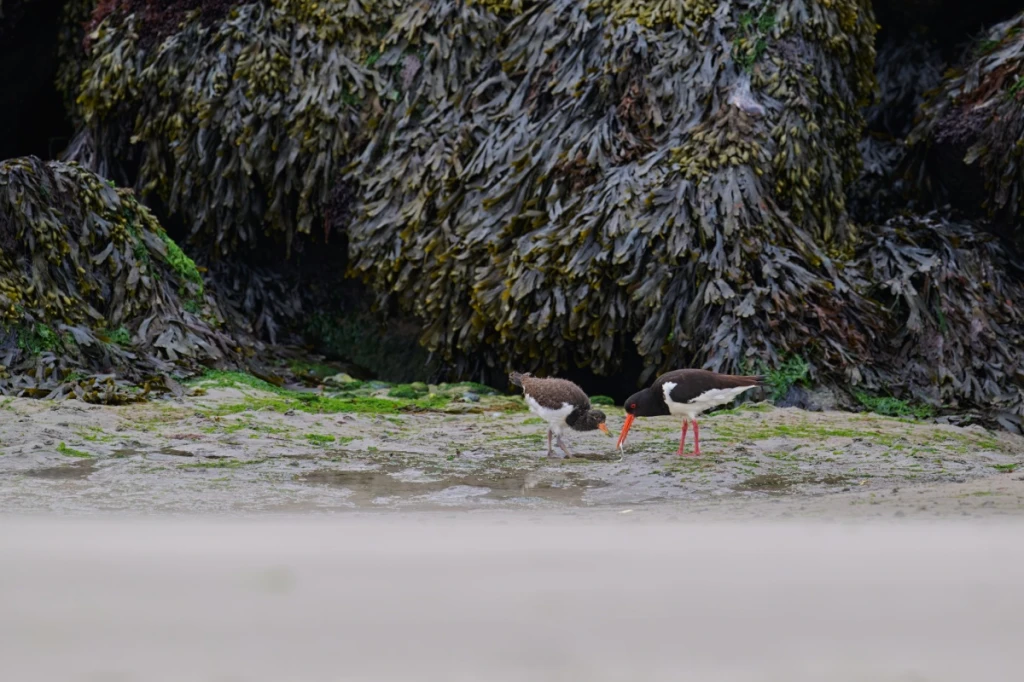
Eurasian Oystercatcher (Haematopus ostralegus)
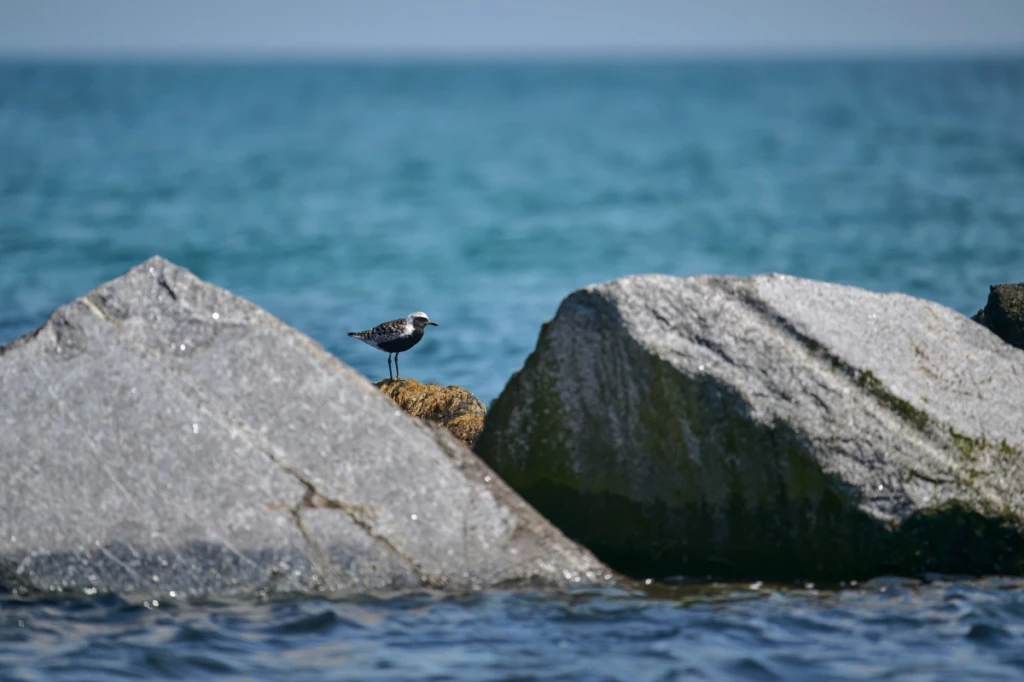
Grey Plover (Pluvialis squatarola)
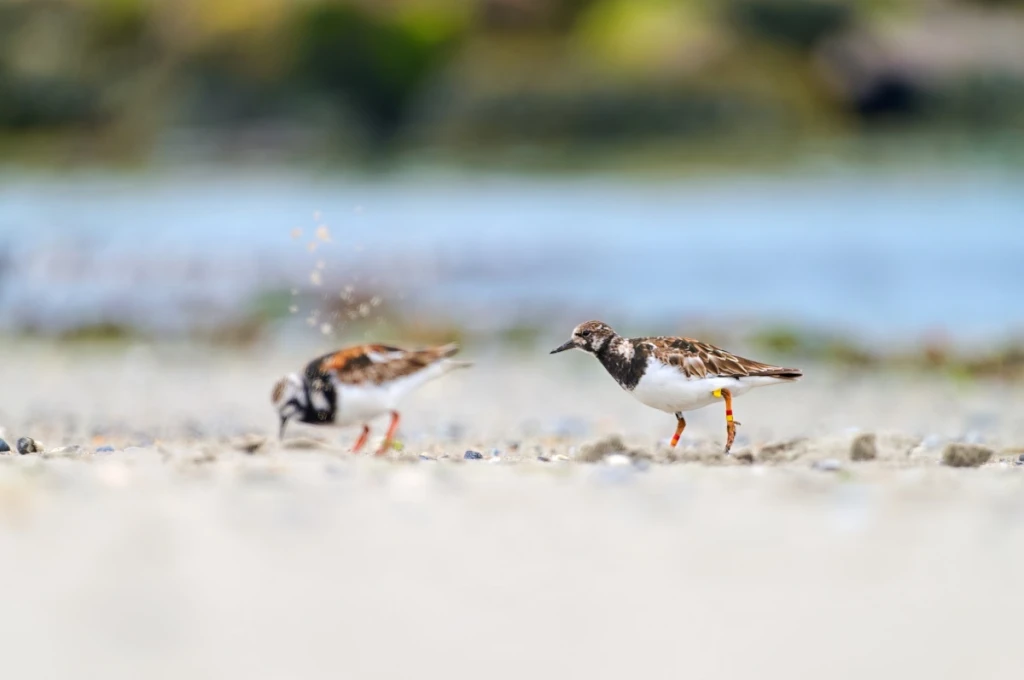
Ruddy Turnstone (Arenaria interpres)
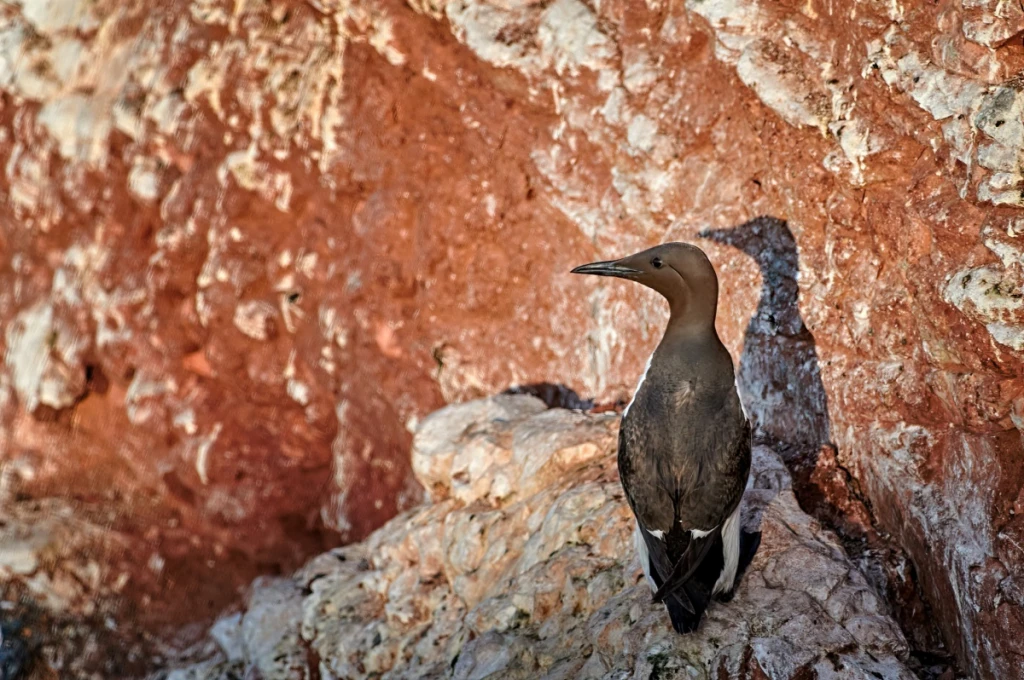
Razorbill (Uria aalge)
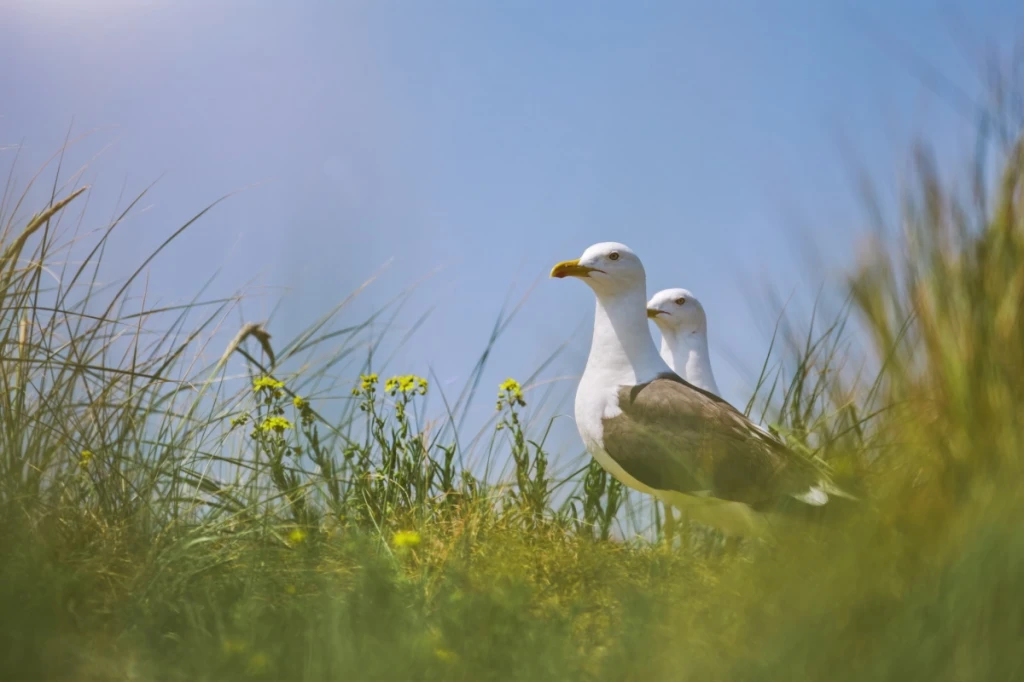
Lesser Black-backed Gull (Larus fuscus)
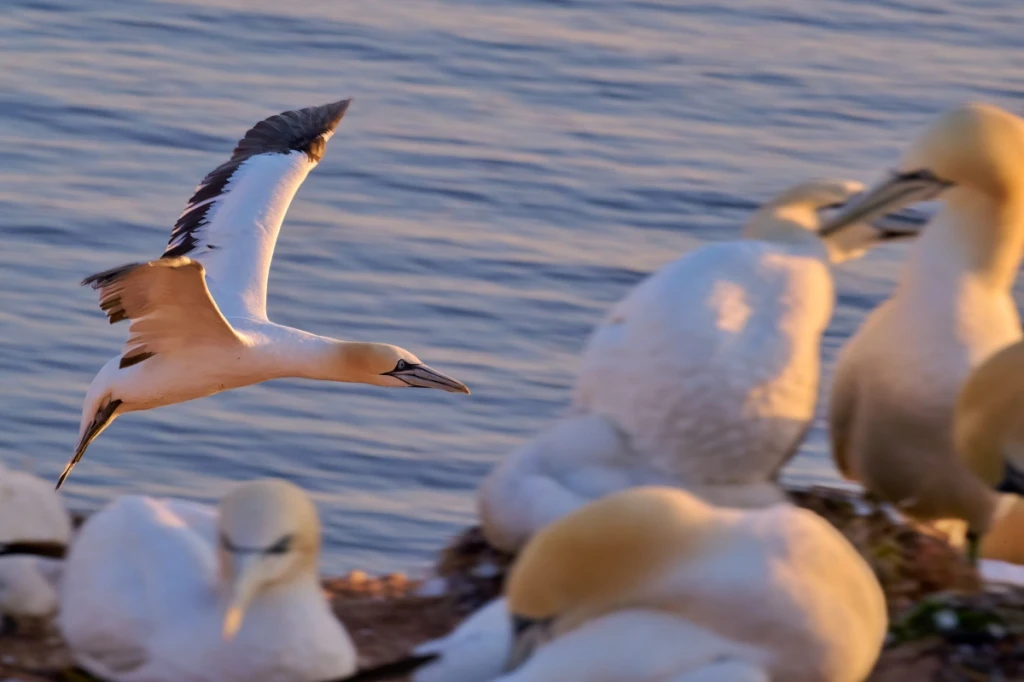
Northern Gannet (Morus bassanus)
